World Religions - In Search of the Light
Description: Students will evaluate the impact of a region’s major religions, including geographic hearths, major beliefs, customs, and the significance of religion in contemporary societies, and explain how religion can both unify and divide people.
Grade level(s): Middle School
Standards: OAS, GFL
Produced By: Jeff Woolsey
The Peoples Forum: What Does Sovereignty Mean for the World's Indigenous Peoples?
Description: The objective of this lesson is to introduce students to the concept of sovereignty and its necessity to assure the survival of the Earth’s most unique, as well as threatened, cultures. Through a simulated conference among representatives of various indigenous groups, students will investigate eight case studies of conflict and cooperation between indigenous groups and governments whose exercise of authority endangers their lands, political rights, and social rights. A review of the goals of the United Nations’ Declaration of the Rights of Indigenous People serves as a catalyst for student-created resolutions to address the problems from these eight case studies through mock deliberation and debate.
Grade level(s): Middle School, High School
Standards: OAS, GFL
Produced By: Pam Merrill
Oklahomans on the Move - Updated 2025
Description: Students will use the Giant Traveling Map of Oklahoma to explore the state’s population distribution—past and present.
Grade level(s): Upper Elementary, Middle School, High School
Standards: OAS
Produced By: Clayton Canon
Climate Change
Description: The students will understand the causes and effects of climate change. Students will also be able to apply adaptation strategies to real-world climate change scenarios.
Grade level(s): Middle School Standards: OAS, GFL
Produced By: J. Scott Greene; Angela Trent
The Global Homeless: An Overview of the International Refugee Crisis
Description: The objective of the lesson is to introduce students to the concept of a refugee, as opposed to economic migrants, including an analysis of the primary causes of forced migration and the three basic responses to refugee crises around the world. Students will compare an historical example of forced migration, resulting in the refugee status of one of Oklahoma’s tribal people to the status of contemporary examples of refugees in both the western and eastern hemisphere. Students are encouraged to demonstrate their own independent inquiries into the international refugee crises through the creation of a Thinglink digital product, which can be shared online with fellow students.
Grade level(s): Middle School Standards: OAS, GFL
Produced By: Pam Merrill
The (not so) Great Pacific Garbage Patch Part 2
The (not so) Great Pacific Garbage Patch Part 1
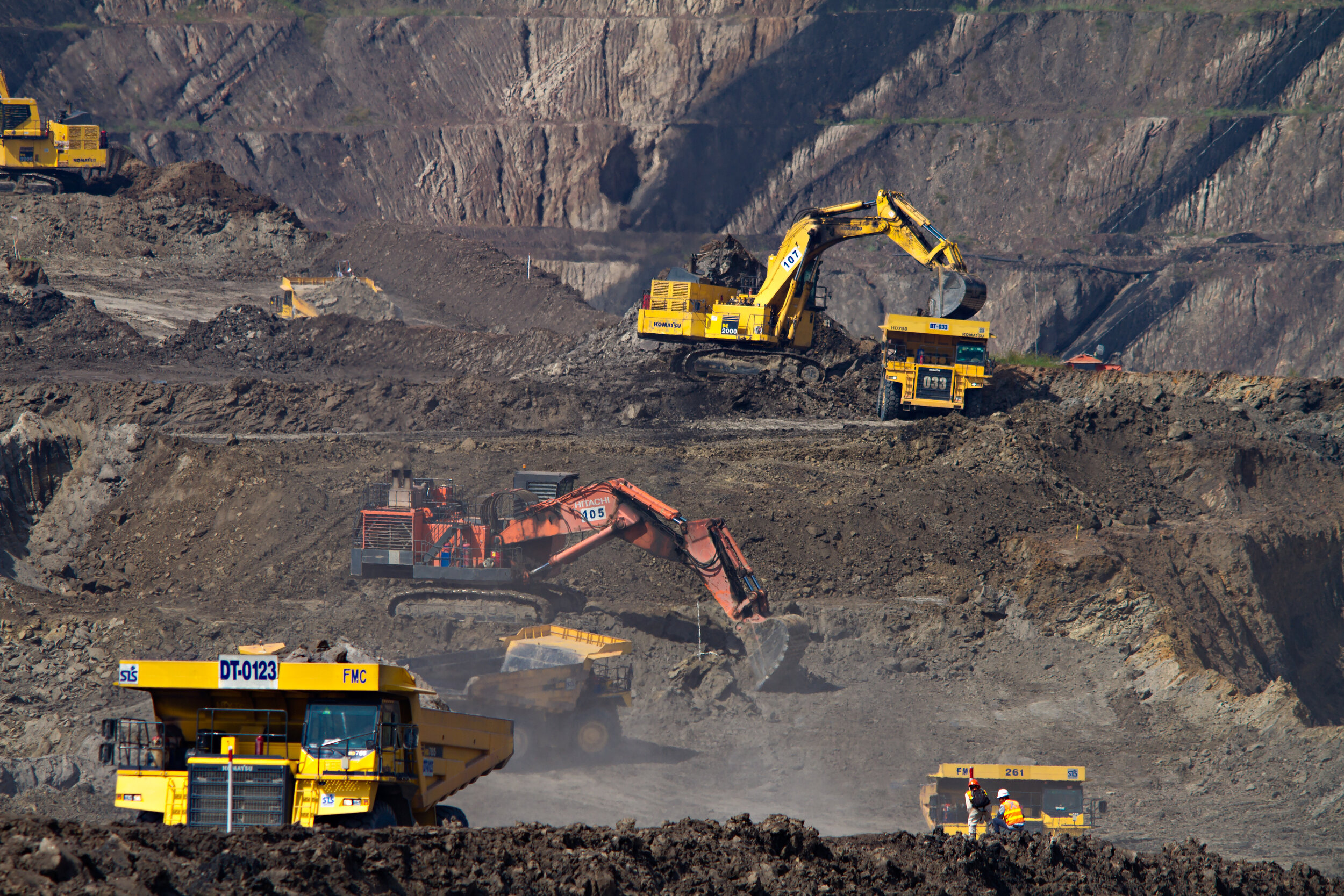
Mining Pollution: A Worldwide Problem
Description: The student will recognize the long-term costs and consequences of industrial waste on environmental and on human health by studying three separate sites suffering from mining waste toxins.
Grade level(s): Middle School Standards: N/A
Produced By: Janet Hall
Garbage: A Recycling Love Story
Lions, Tigers and Bears: The Dilemma of Ecotourism
Description: The objective of the lesson is to investigate the role and effectiveness of wildlife preserves, utilizing a micro-case study from Kenya and making connections to a variety of ecosystems through an online global tour of significant wildlife preserves. Using the essential and supporting questions, students will analyze the advantages and disadvantages of current environmental protection efforts in order to make recommendations regarding a proposed wildlife preserve in Antarctica.
Grade level(s): Middle School, High School
Standards: OAS, GFL
Produced By: Pam Merrill
Rio Platano
Description: The objective of the lesson is to provide an in-depth study of Central America’s most important biosphere - the Rio Platano Reserve and its necessity to the survival of both humans and wildlife. Using the essential and supporting questions, students will analyze the perspectives of major groups who seek to utilize the natural resources of the Rio Platano, followed by engagement in a simulated regional conference of stakeholders. A comparative micro-study of the impact of unsustainable use of the monarch butterfly’s habitat in Mexico provides an optional enrichment opportunity for students. In addition, an extension mini-lesson provides an overall understanding of why wildlife preserves are established, how government policies attempt to protect species, and how individuals can be responsible stewards of their environments.
Grade level(s): Middle School
Standards: OAS, GFL
Produced By: Pam Merrill
Water, water everywhere, but not a drop to drink
Saving the Mediterranean Sea
Ecotourism: Are you a tacky tourist or an eco tourist?
Human Trafficking - I want my freedom!
Universal Rights of the Child to Remain with Their Parents
Description: The ability to evaluate controversial issues is an important life skill of citizenship for all individuals. Using age appropriate lessons, teachers can help students learn how to use critical inquiry and higher levels of thinking to gain an understanding of sensitive issues, the stakes and stakeholders involved, and relevant viewpoints. In this lesson, students will learn about UNICEF’s Rights of the Child, focusing on the right of children to remain with their parents (with exceptions being in cases of abuse, neglect, or specific parental custody placement). Using examples from past history, as well as current events, students will gain an understanding of consequences when this right is violated, and respectfully participate in discussions with others when different viewpoints are expressed.
Grade level(s): Elementary, Middle School
Standards: GFL, OAS
Produced By: Lynn Tilley
Lives on Hold: Teaching the Refugee Crisis
Description: More people today have been forced to flee their homes by conflict and crisis than at any other time since World War II. Through this collaborative, hands-on lesson, students will simulate facets of involuntary migration and displacement. The resources provided allow students to engage with authentic situations experienced by asylum seekers, helping them to better empathize with and understand the plight of refugee families.
Grade level(s): Middle School Standards: GFL, OAS
Produced By: Taylor Woodard
Developing Critical Literacy Skills While Examining Controversial Topics
The Deforestation Balancing Act
Description: The objective of the lesson is to examine the evidence linking deforestation to the controversial topic of climate change. Using the essential question, students will demonstrate an understanding of the causes of deforestation, including its role in global climate changes of the present and future. Students will conclude their investigations in a simulated climate conference, during which they will utilize geographic information and facts to support their views toward this controversial topic.
Grade level(s): Elementary, Middle School
Standards: OAS, GFL
Produced By: Pam Merrill