OAS

Lions, Tigers and Bears: The Dilemma of Ecotourism

Click on the image above to download the lesson

Click on the image above to download the lesson

Description: The objective of the lesson is to investigate the role and effectiveness of wildlife preserves, utilizing a micro-case study from Kenya and making connections to a variety of ecosystems through an online global tour of significant wildlife preserves. Using the essential and supporting questions, students will analyze the advantages and disadvantages of current environmental protection efforts in order to make recommendations regarding a proposed wildlife preserve in Antarctica.

Grade level(s): Middle School, High School
Standards: OAS, GFL
Produced By: Pam Merrill

Rio Platano

Click on the image above to download the lesson

Click on the image above to download the lesson

Description: The objective of the lesson is to provide an in-depth study of Central America’s most important biosphere - the Rio Platano Reserve and its necessity to the survival of both humans and wildlife. Using the essential and supporting questions, students will analyze the perspectives of major groups who seek to utilize the natural resources of the Rio Platano, followed by engagement in a simulated regional conference of stakeholders. A comparative micro-study of the impact of unsustainable use of the monarch butterfly’s habitat in Mexico provides an optional enrichment opportunity for students. In addition, an extension mini-lesson provides an overall understanding of why wildlife preserves are established, how government policies attempt to protect species, and how individuals can be responsible stewards of their environments.

Grade level(s): Middle School
Standards: OAS, GFL
Produced By: Pam Merrill

Universal Rights of the Child to Remain with Their Parents

Click on the image above to download the lesson

Click on the image above to download the lesson

Description: The ability to evaluate controversial issues is an important life skill of citizenship for all individuals. Using age appropriate lessons, teachers can help students learn how to use critical inquiry and higher levels of thinking to gain an understanding of sensitive issues, the stakes and stakeholders involved, and relevant viewpoints. In this lesson, students will learn about UNICEF’s Rights of the Child, focusing on the right of children to remain with their parents (with exceptions being in cases of abuse, neglect, or specific parental custody placement). Using examples from past history, as well as current events, students will gain an understanding of consequences when this right is violated, and respectfully participate in discussions with others when different viewpoints are expressed.

Grade level(s):  Elementary, Middle School
Standards: GFL, OAS
Produced By: Lynn Tilley

Lives on Hold: Teaching the Refugee Crisis

Click on the image above to download the lesson

Click on the image above to download the lesson

Description: More people today have been forced to flee their homes by conflict and crisis than at any other time since World War II. Through this collaborative, hands-on lesson, students will simulate facets of involuntary migration and displacement. The resources provided allow students to engage with authentic situations experienced by asylum seekers, helping them to better empathize with and understand the plight of refugee families.

Grade level(s):  Middle School Standards: GFL, OAS
Produced By: Taylor Woodard

Developing Critical Literacy Skills While Examining Controversial Topics

Click on the image above to download the lesson

Click on the image above to download the lesson

Description: Students will be exploring and showcasing an area of development taking place in their local area and how it is impacting their community.

Grade level(s): Middle School, High School
Standards: OAS, GFL   
Produced By: Teresa Potter

The Deforestation Balancing Act

Click on the image above to download the lesson

Click on the image above to download the lesson

Description: The objective of the lesson is to examine the evidence linking deforestation to the controversial topic of climate change. Using the essential question, students will demonstrate an understanding of the causes of deforestation, including its role in global climate changes of the present and future. Students will conclude their investigations in a simulated climate conference, during which they will utilize geographic information and facts to support their views toward this controversial topic.

Grade level(s): Elementary, Middle School
Standards: OAS, GFL             
Produced By: Pam Merrill

Geography 101 LiveBinder

Click on the image above to access the LiveBinder.

Click on the image above to access the LiveBinder.

Description: This LiveBinder provides a crash course in teaching Geography. Topics include the Five Themes of Geography, using data and maps, population, GIS resources, and more!

Grade level(s): Elementary, Middle School, High School
Standards: OAS, GFL
Produced By: Pam Merrill

Teach a Man to Fish - Controversies Surrounding Foreign Aid

Click on the image above to download the lesson

Click on the image above to download the lesson

Description: Students will analyze the major controversies surrounding the rationale and impact of foreign aid to developing regions in order to formulate informed opinions and effectively engage in deliberations regarding financial assistance to growing economies.

Grade level(s): Middle School, High School
Standards: GFL, OAS             
Produced By: Pam Merrill

Rich or Poor: Barriers and Paths to Development

Click on the image above to download the lesson

Click on the image above to download the lesson

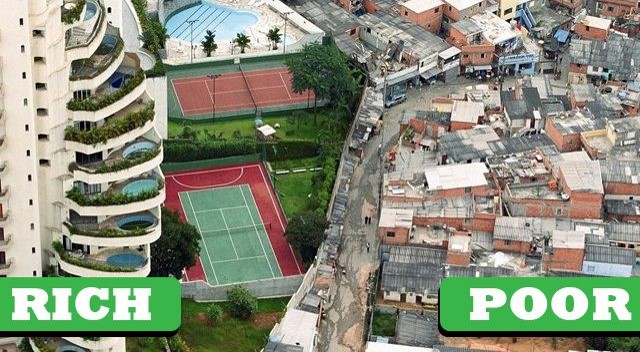
Description: Students will examine basic reasons why some nations and regions develop while other do not, including analysis of the factors used by geographers to measure human development and two opposing models toward development, historically and currently utilized by developing nations’ leadership toward reaching economic progress. Use of real-world families from selected developed and developing regions serve as the catalyst for student investigations.

Grade level(s): Middle School, High School
Standards: GFL, OAS             
Produced By: Pam Merrill

Dust to Dust: The Changing Face of a Desert

Click on the image above to download the lesson

Click on the image above to download the lesson

Description: The study of geography, history, and the social studies in general, provide ample opportunities for students to evaluate the positive and negative consequences of human modification the Earth’s surface through the use of limited and non-renewable resources. This lesson focuses on the ways imported technology rapidly transformed the arid environment of the Arabian Peninsula, only to be transformed again by human mismanagement of fossil aquifers just a few decades later. 

Grade level(s): Middle School               Standards: OAS, GFL         
Produced By: Pam Merrill

Who? What? Where? Oklahomans Who Made a Difference - Updated 2025

Click on the image above to download the lesson

Click on the image above to open the lesson. It will open as a Google Doc.

Description: In this lesson, students will use the Oklahoma Giant Traveling Map to identify and gain a better understanding of notable historic and present day Oklahomans who made significant contributions to the state.

Grade level(s): Elementary (Adaptable to 8th & 10th grade American History)
Standards: OAS, GFL
Produced By: Lynn Tilley

It Happened in Oklahoma! Historically Significant State and Local Landmarks - Updated 2025

Click on the image above to download the lesson

Click on the image above to open the lesson. It will open as a Google Doc.

Description: In this lesson, students will use the Oklahoma Giant Traveling Map to identify and locate important state and local landmarks, as well as gain a better understanding of their historical significance.

Grade level(s): Elementary (Adaptable to 8th & 10th grade American History)
Standards: OAS, GFL
Produced By: Lynn Tilley

Global Football Through the Media's Lens

Click on the image above to download the lesson

Click on the image above to download the lesson

Description: Students will gain an understanding of the role of media as a source of public information regarding geographic events, development, and issues by examining and weighing the validity of various forms of media. The environmental challenge of climate change is used to illustrate the six basic purposes of media, utilizing an interactive online global tour. Students will have the opportunity to expand their research and technological skills through the production of online global tours, investigating additional topics of desertification, deforestation, pollution, overpopulation, and urban sprawl.

Grade level(s): Middle School
Standards: OAS, GFL
Produced By: Pam Merrill

Bon Appetit: Food Security on a Hungry Planet

Click on the image above to download the lesson. This lesson will open in a Google Drive folder instead of a zipped file due to its size.

Click on the image above to download the lesson. This lesson will open in a Google Drive folder instead of a zipped file due to its size.

Description: Students will investigate the status of food security and accessibility in both developed and developing nations through a study of the typical week’s dietary intakes of a global sampling of families, using classroom-ready Tourbuilder lessons, which combine Google mapping technology, digital maps, photographs, and video clips. Teacher-centered instruction will introduce students to the current practices of agriculture in developing nations, as well as provide background information regarding potential solutions to address food security. During the course of the lesson, students will be engaged in the analysis of maps, graphs, and cartograms to gain an understanding of the spatial relationships between food availability, trade, and population growth.

Grade level(s): Middle School
Standards: OAS, GFL
Produced By: Pam Merrill

Blown Away! Oklahoma's Wind Energy

Click on the image above to download the lesson

Click on the image above to download the lesson

Description: The purpose of this lesson is for students to learn the fundamental parts of a windmill, to use the scientific method to isolate and adjust variables when constructing a functional windmill that lifts weights, and to understand energy conversions/transfers and how a windmill converts moving air into usable mechanical energy. Students will understand that wind power is a choice we can make that reduces pollution and climate impacts.

Grade level(s): Middle School, High School
Standards: OAS, GFL
Produced By: Kylah McNabb; Teresa Potter